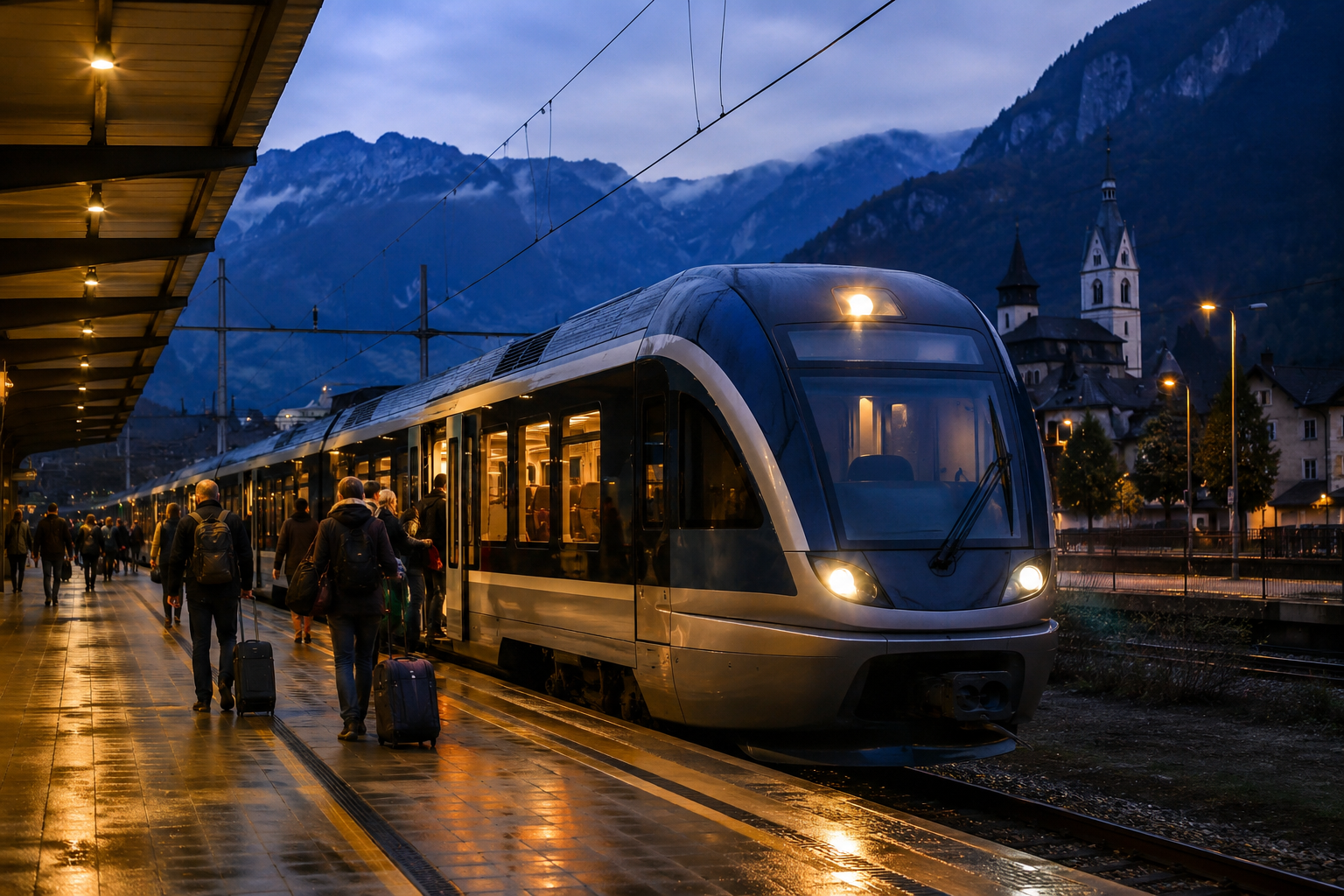

Night trains are returning to regional travel plans as passengers look for alternatives to short flights and long daytime journeys. Modern routes connect major cities while travelers sleep, potentially saving a hotel night and preserving the working hours of the next day. The appeal depends less on nostalgia than on reliability, comfort, and simple booking.
A successful service needs useful departure and arrival times. Leaving too early can waste an evening, while arriving before local transport starts creates another problem. Timetables must also allow enough recovery time for delays and coordinate with daytime trains so passengers from smaller cities can reach the overnight route without excessive waiting.
Accommodation now ranges from reclining seats and shared couchettes to private cabins with showers. Clear descriptions matter because expectations vary widely. Travelers need to know whether bedding, breakfast, locks, power outlets, luggage space, and accessible facilities are included. Families, solo passengers, and people with limited mobility often require different layouts.
Booking remains one of the largest obstacles. International journeys may involve several operators, separate tickets, unfamiliar refund rules, and reservations that open on different dates. Integrated sales systems and through-ticket protection would make night trains more practical. Passengers should not carry the entire risk when a delayed connection disrupts a multi-country trip.
Operations are complicated behind the scenes. Overnight trains need locomotives, trained crews, cleaning, maintenance slots, border coordination, and access to crowded rail lines. Sleeping cars are specialized assets that cannot be added quickly. Long-term agreements give operators confidence to invest while preventing public support from becoming an endless subsidy without service standards.
Environmental benefits depend on occupancy, electricity sources, and the journey being replaced. A well-used electric train can have a lower footprint than flying, but empty carriages and inefficient routes weaken the case. Transparent reporting should compare actual operations rather than relying only on broad claims about rail.
Passengers also value the experience. City-center stations, generous luggage allowances, the ability to walk around, and a gradual sense of distance can make the journey part of the trip. Good sleep requires quiet rules, smooth operations, ventilation, secure compartments, and staff available when a problem occurs.
Night trains will not suit every route or traveler. Where cities are separated by an appropriate overnight distance, however, they can become a practical part of a connected rail network. Their future depends on ordinary excellence: dependable schedules, understandable prices, comfortable cabins, protected connections, and enough frequency that travelers can plan with confidence.