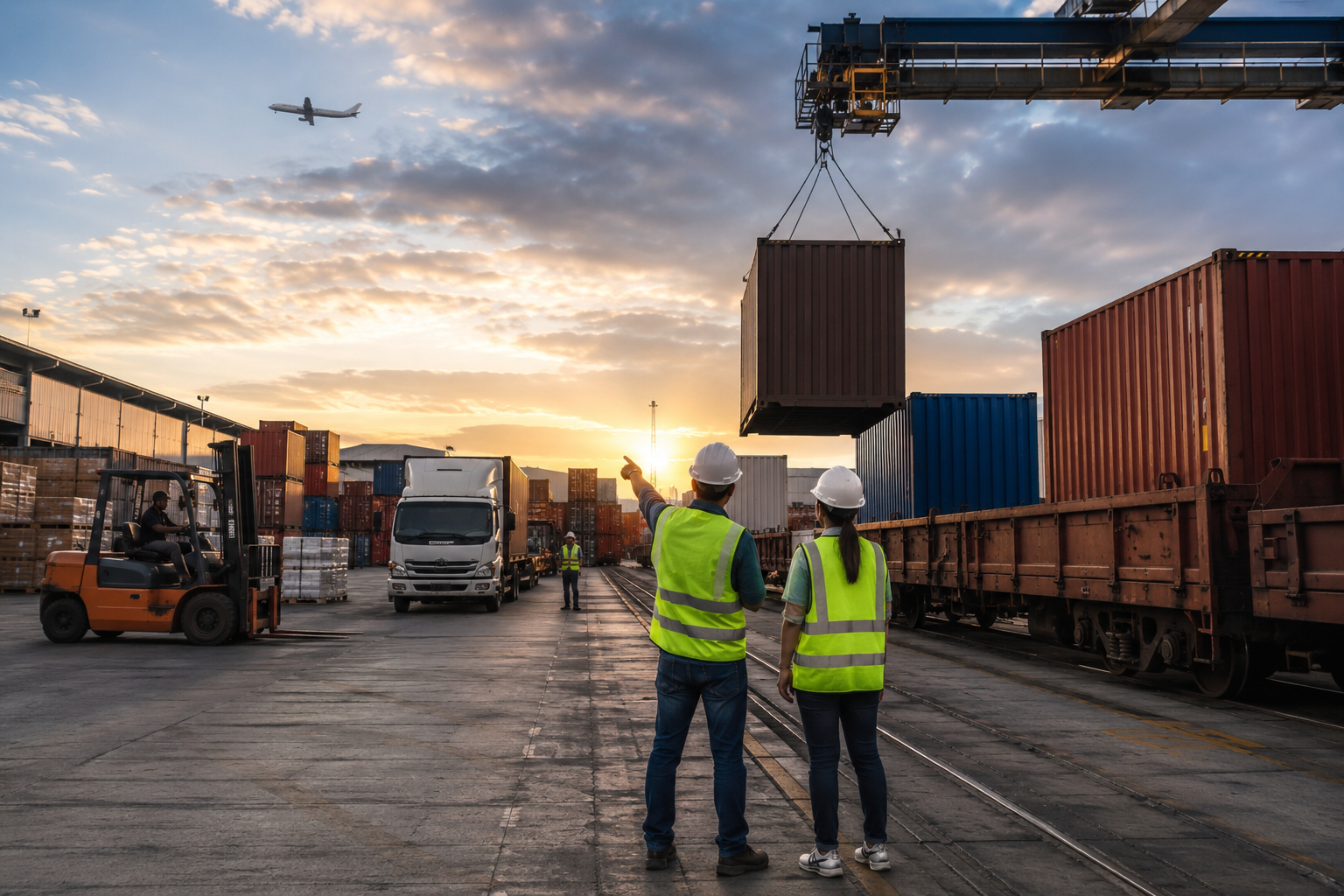

Manufacturers and retailers are redesigning supply chains after years of port congestion, material shortages, extreme weather, and abrupt changes in demand. The new objective is not simply to move production closer to customers. Companies are building regional networks that can shift orders among several suppliers, transport routes, and distribution centers when conditions change.
Traditional purchasing often rewarded the lowest unit price and very large orders from one highly efficient source. That model can work in stable periods, but a single interruption may stop an entire product line. Flexible networks accept some additional cost in exchange for options, shorter response times, and better visibility into critical components.
Regionalization takes different forms. A company may keep a global specialist supplier while adding a qualified producer nearer its main market. Warehouses can hold strategic parts rather than every item. Rail, truck, and short-sea routes can complement major ocean corridors, giving planners more choices when a border crossing or port becomes crowded.
Digital planning tools help teams compare inventory, capacity, lead times, and transport conditions. The quality of decisions still depends on accurate information from suppliers. Smaller partners may need technical support to share data securely, and companies must avoid demanding expensive systems that exclude capable local firms.
Flexibility also changes contracts. Buyers are using capacity reservations, shared forecasts, and agreements that define how scarce goods will be allocated. Strong relationships matter because a supplier asked to maintain backup capacity needs predictable compensation. Constantly switching to the cheapest bidder can undermine the resilience a company claims to value.
Environmental results are mixed and require measurement. Shorter routes can reduce some emissions, but duplicated facilities or frequent small shipments may increase energy use. Businesses should examine the full product journey, including materials, production efficiency, storage, transport mode, and returns, rather than treating regional sourcing as automatically sustainable.
Workers and communities are affected as new logistics hubs and factories open. Training, safe conditions, reliable infrastructure, and realistic development promises shape whether investment produces lasting benefits. Regions also need to consider noise, traffic, land use, and the risk of relying too heavily on a single large employer.
The most resilient supply chain is rarely the one with the most suppliers. It is the network whose critical dependencies are understood and whose alternatives have been tested. Regional flexibility works when operations, finance, procurement, and local partners plan together, monitor results, and keep options usable before a crisis forces them into action.